How tree roots get into a sewer — and what it costs to ignore them
A root doesn't break your pipe. It finds a joint that was already weeping, and then it grows.
Published May 20, 2026
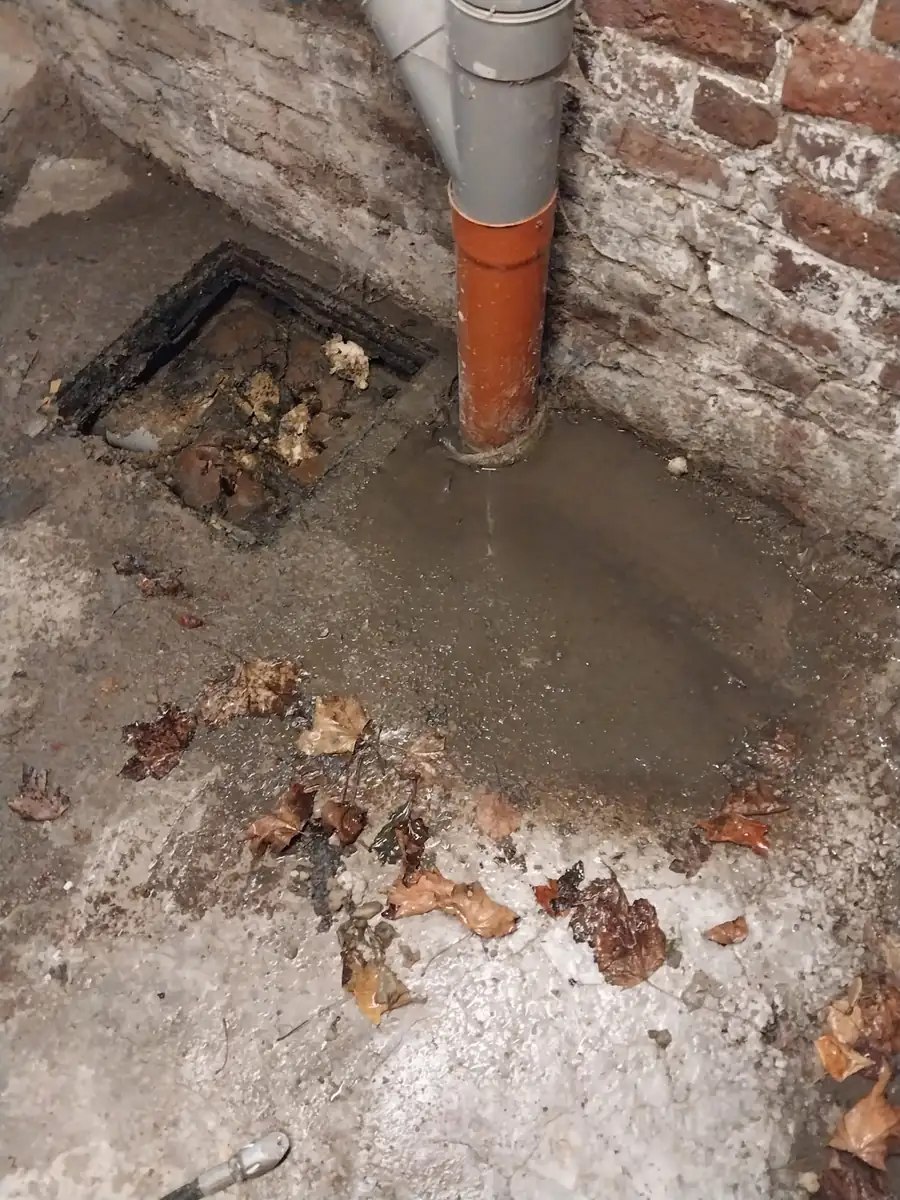
If your house was built before the 1970s, there's a good chance the drain running under the garden is glazed clay in short sections with mortar joints. Those joints are where roots get in — not through the pipe wall.
Why the tree finds it
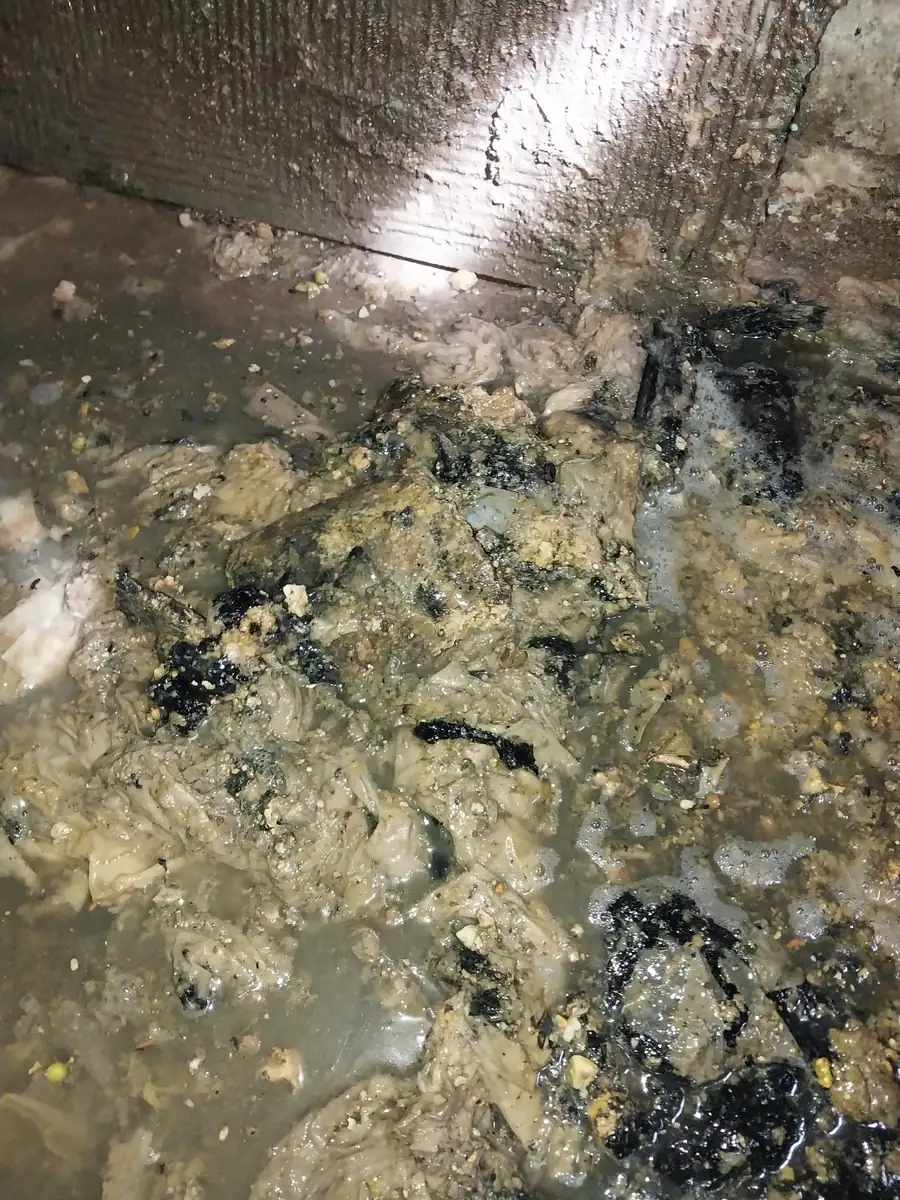
Roots grow towards water and nutrients, and a sewer leaking slightly at a joint is the richest thing in the soil for metres around. A hairline gap is enough. Once a root tip is through, it thickens inside the pipe where there's no resistance, and it branches. What started as a thread ends up as a mass that catches every piece of paper going past.
How you can tell before it's an emergency
Roots rarely block a drain overnight. The warning signs run for months: a toilet that empties slowly and then suddenly gulps, a gurgle from the shower when the washing machine drains, a smell in the garden after heavy rain. People tend to live with all three until the day nothing goes down at all.
Cutting them out, and then what
High-pressure jetting with a cutting head clears roots properly — far better than a rod, which punches a hole through the middle and leaves the rest. But it's worth being honest: if the joint is open, the roots come back, usually within two to three years.
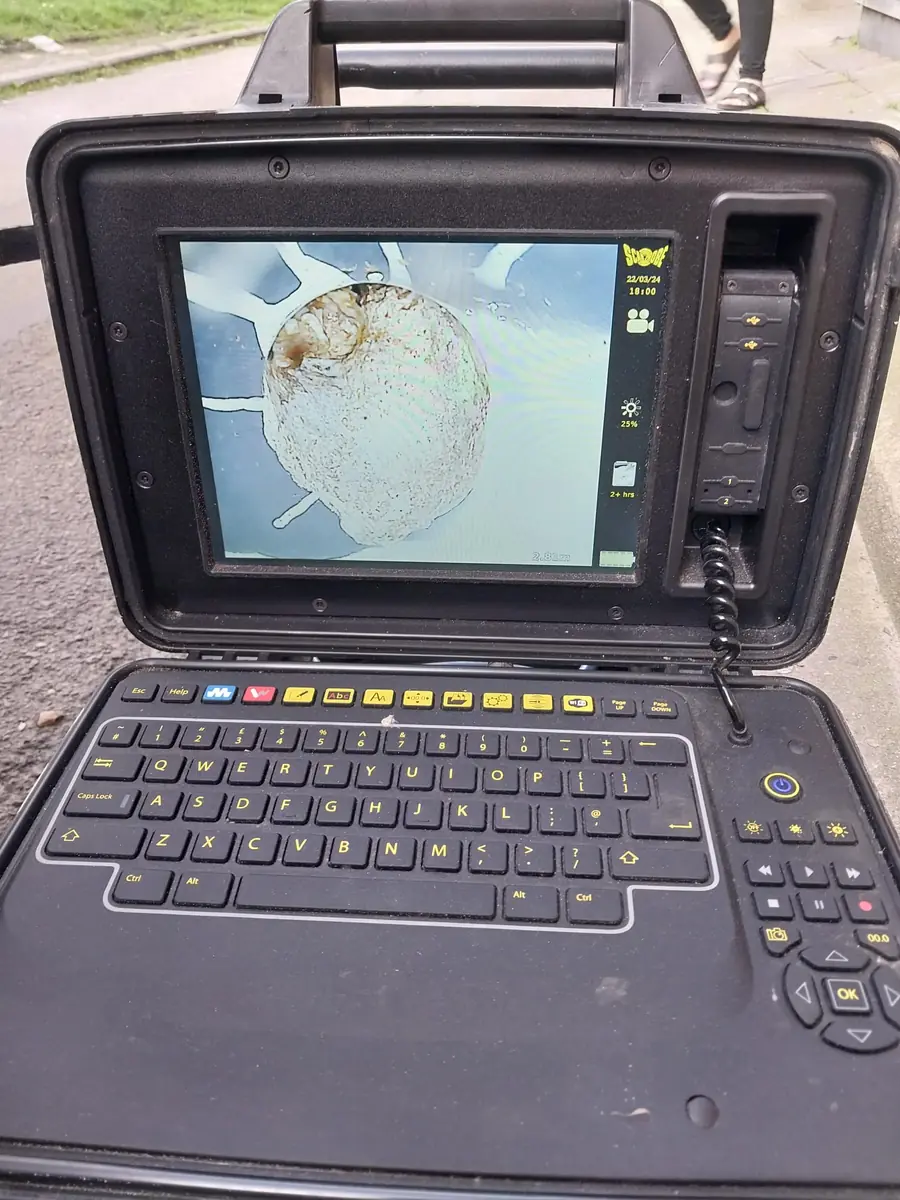
That's exactly what the camera is for. Once the line is clear we run the CCTV camera through and you see the state of the pipe yourself. Sometimes it's a single bad joint worth repairing; sometimes the sensible answer is a jetting visit every couple of years. Either way you're deciding with a picture in front of you instead of a guess.
Got a drain that won't drain?
Call us, or send a photo on WhatsApp and we'll tell you what it will cost.
Get a quote