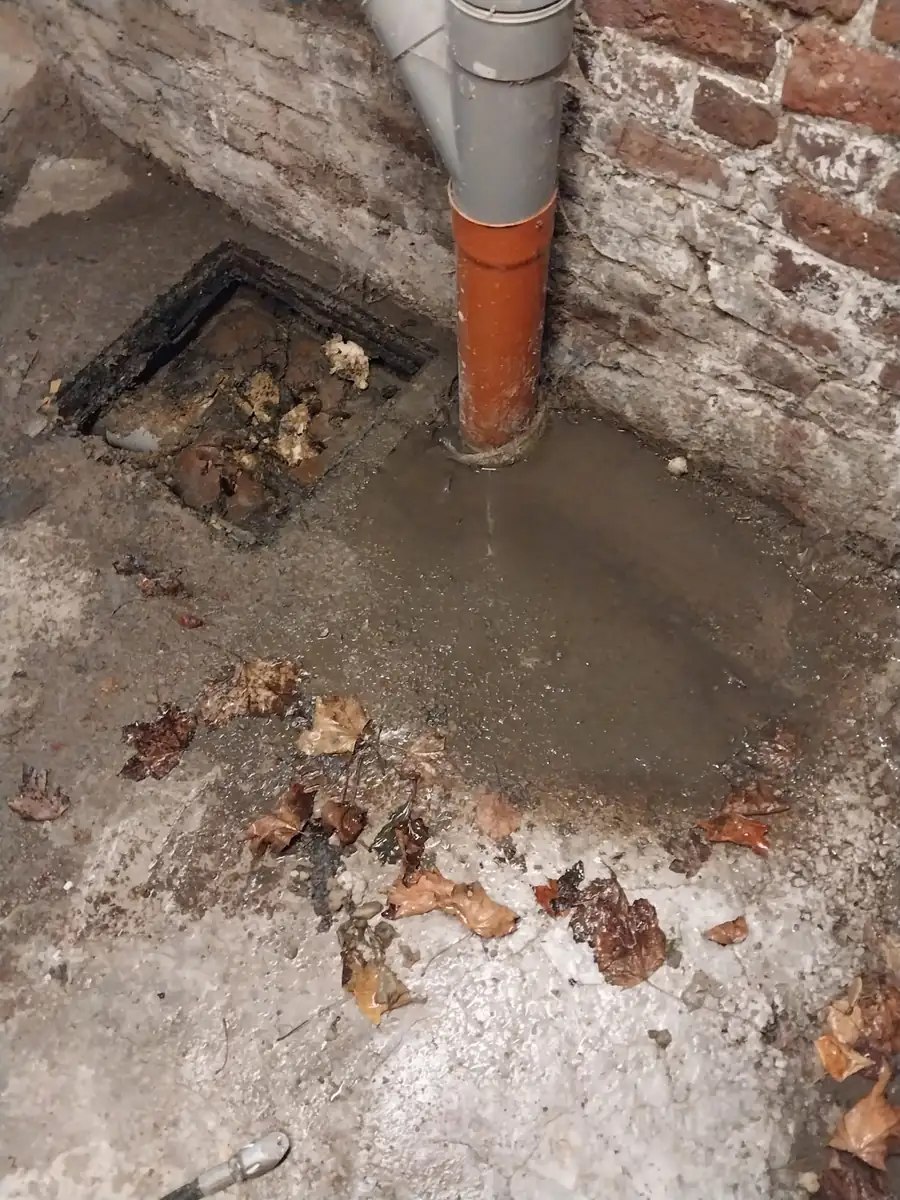
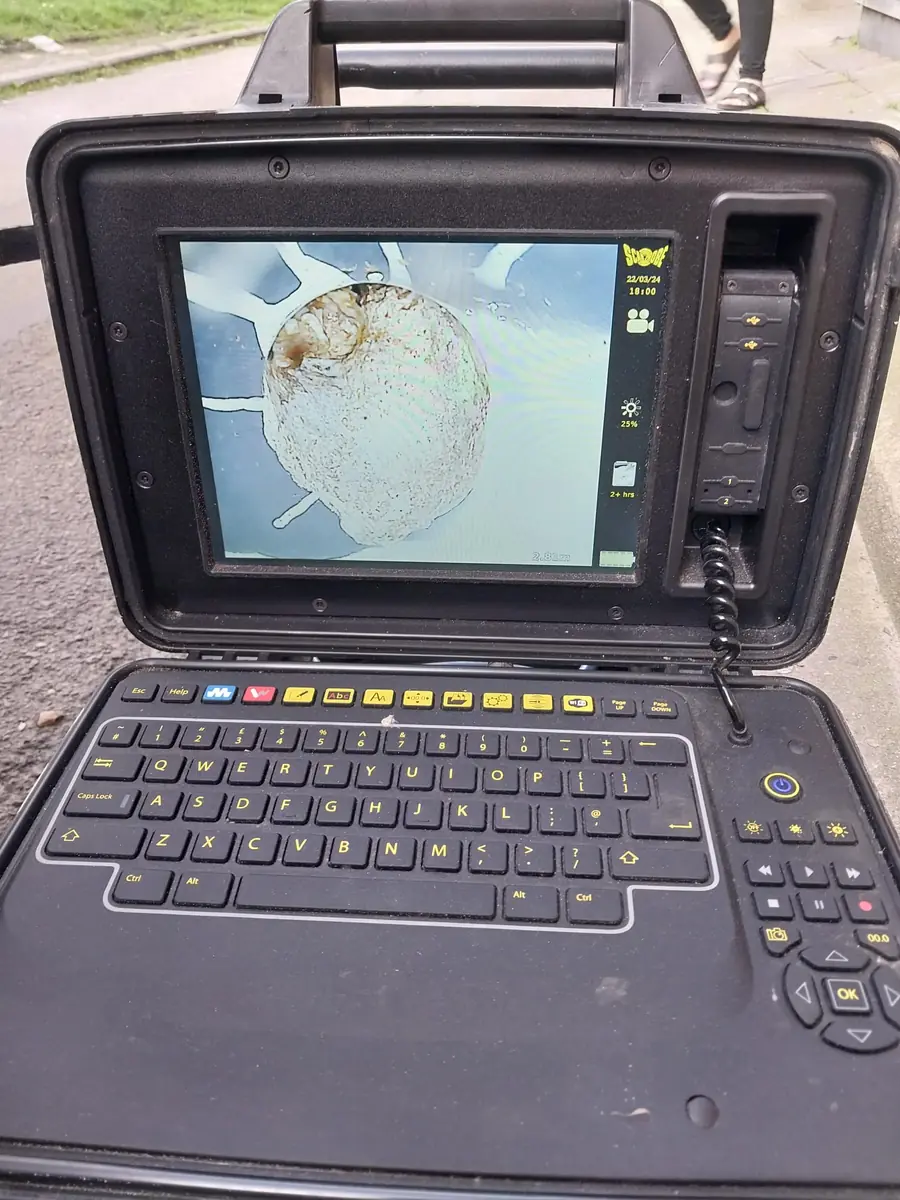
The four things that block Belgian drains
Wet wipes, cooking fat, cat litter and coffee grounds. Between them they cause most of the emergency calls we take.
Published June 12, 2026
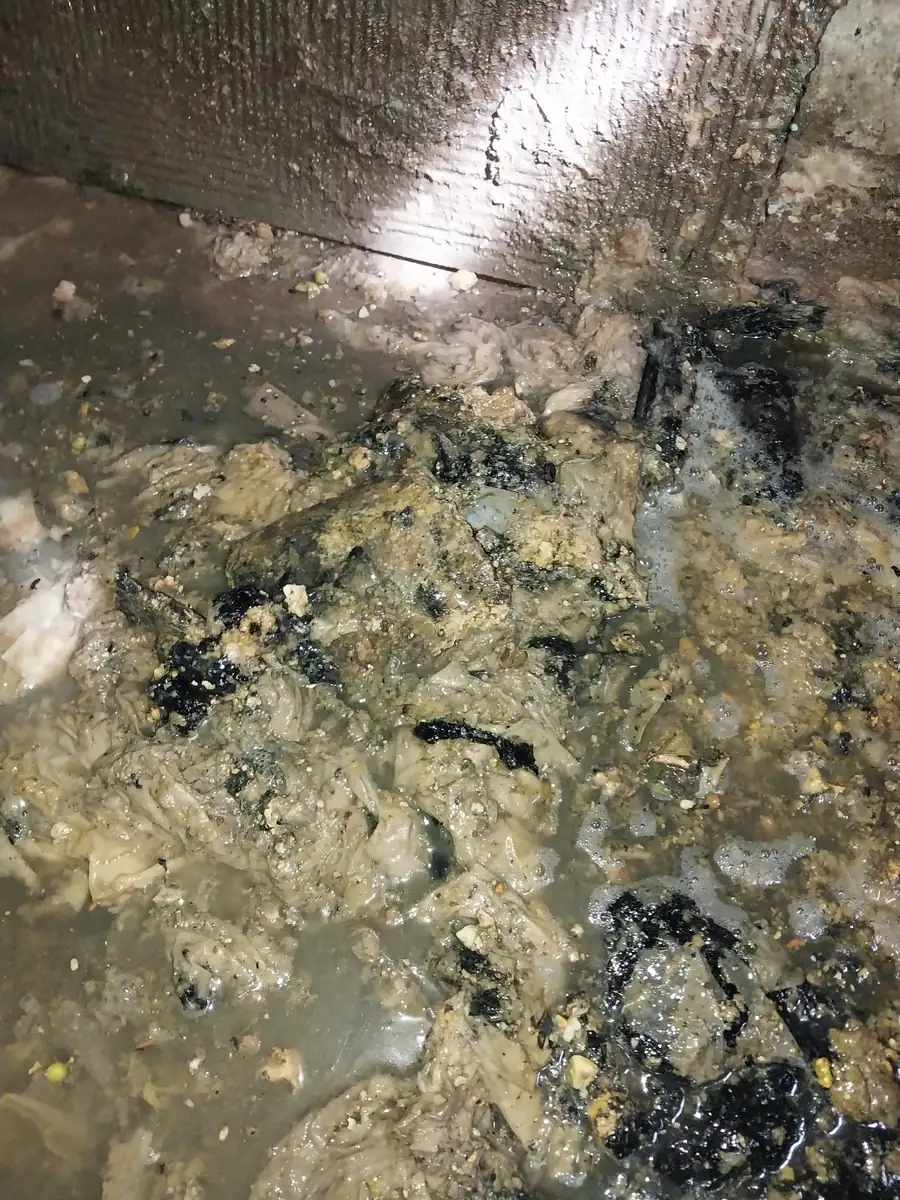
Almost every blockage we clear comes down to something that should never have gone down the pipe in the first place. Not a broken drain, not bad luck — just four everyday things that behave very differently once they're out of sight.
Wet wipes, even the “flushable” ones
This is number one, by a distance. Toilet paper is designed to fall apart in seconds; wipes are designed not to. The word “flushable” on the packet only means the wipe will leave your toilet — it says nothing about what happens in the 30 metres of pipe after that. Wipes snag on any small imperfection in the pipe, catch each other, and within months you have a mat the width of the bore.
Cooking fat and frying oil
Poured down the sink as a hot liquid, fat cools within a couple of metres and sets on the pipe wall like candle wax. Each pour adds a layer. Restaurants see this fastest, but a family that fries regularly gets there too — we've opened domestic chambers where the opening had closed to the width of a pencil. Let it cool in the pan and scrape it into the bin.
Cat litter and coffee grounds
Both are sold as harmless and neither is. Clumping litter does in your drain exactly what it does in the tray. Coffee grounds don't dissolve; they settle at every low point and bind with any fat already there into something with the texture of wet concrete.
What to do if it's already blocked
Don't reach for a caustic drain cleaner. It rarely gets through a real blockage, and it leaves a pipe full of dangerous liquid for whoever opens it next — which is usually us. Stop using the fixture, and call. Most of these clear in a single visit with high-pressure jetting.
Got a drain that won't drain?
Call us, or send a photo on WhatsApp and we'll tell you what it will cost.
Get a quote